When Loneliness Becomes a Health Risk: What the Research Says
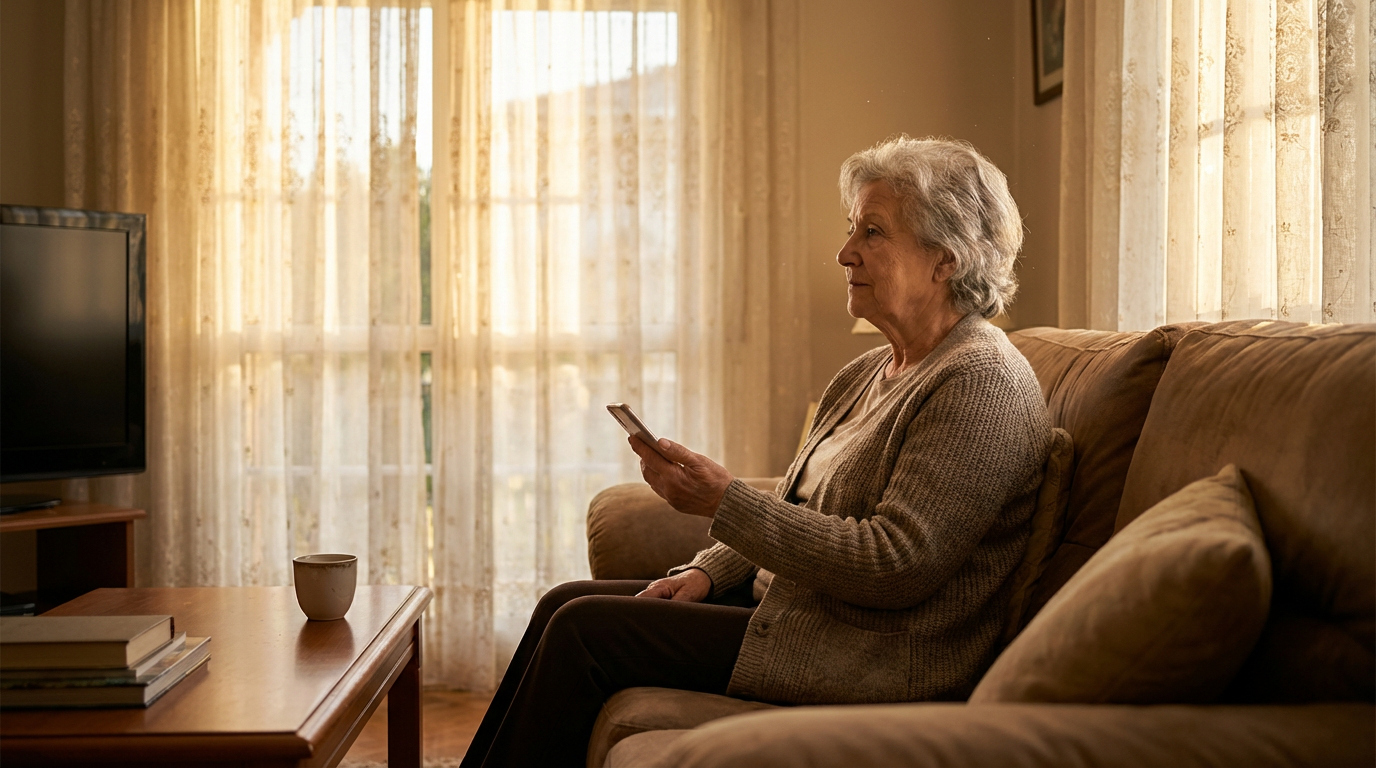
We tend to think the big health risks for aging parents are things like blood pressure, falls, or diet. But this research is a gentle wake-up call: feeling lonely can be risky too, even when someone seems “just fine” on paper.
After retirement, many seniors find their days growing quieter than expected. They might say they’re “busy,” but the reality is often TV, errands, and a quick chat with the cashier. Their adult children want to call more, truly. But between work, kids, and everything else, the days disappear. And then the guilt shows up at night.
🧠 A large study published in PLoS Medicine followed 7,982 older adults and recorded 548 deaths over the study period. Moderate and severe loneliness were both associated with higher all-cause mortality. Limited social network size was also linked to higher mortality risk. When researchers looked at loneliness and isolation together, the combination still independently increased the risk.
That’s the part worth pausing on. It’s not just about needing “more visitors.” Connection itself is health.
If you’re juggling a million responsibilities, you’re not failing. Sometimes the smallest consistent touchpoints matter most: a short daily call, a standing Sunday chat, a simple routine that brings a voice into the room.
This is exactly why Eleanor exists: a voice-first AI companion that helps seniors feel connected through daily conversations, puzzles, and companionship.
💜 If you’re doing your best, you’re not failing.
📌 Bookmark this or share it with someone who might need it. Follow Eleanor for more research-backed insights on connection and aging. 💬
Source: Steptoe A, et al. “Loneliness, Social Isolation, and All-Cause Mortality in a Large Sample of Older Adults.” PLoS Medicine, 2015.