The Quiet Risk We Don’t Talk About: Loneliness as a Health Factor
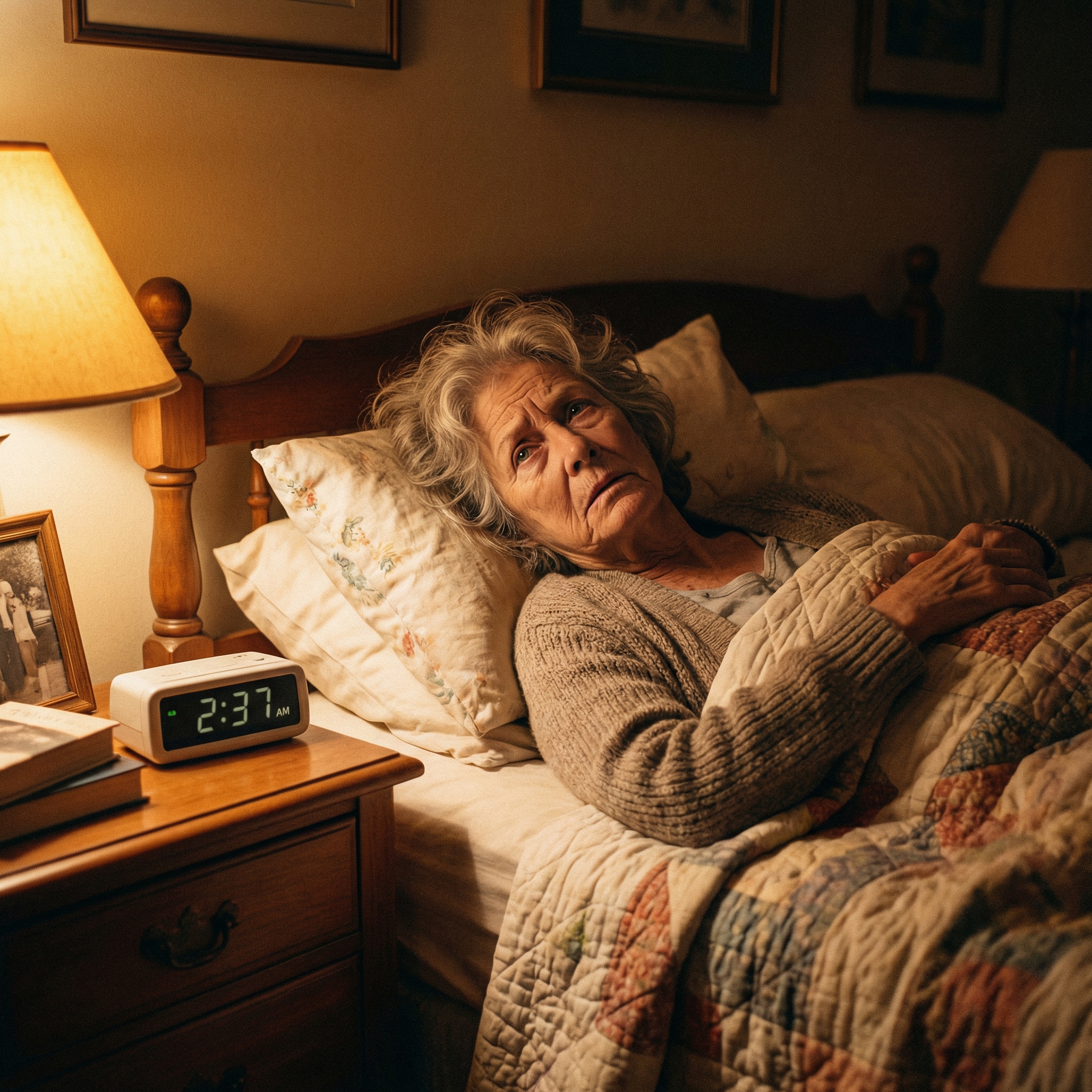
A 2023 JAMA Network Open study found severe loneliness and limited social networks were linked to higher all-cause mortality in U.S. adults 50+.
Insights on brain health, connection, and the science behind meaningful conversations.

A 2023 JAMA Network Open study found severe loneliness and limited social networks were linked to higher all-cause mortality in U.S. adults 50+.

A Korean Frailty and Aging Cohort Study found that older adults who saw friends only monthly had roughly 5x higher odds of being frail compared to those with daily friend contact.

A large PLoS Medicine study found that moderate and severe loneliness were associated with higher all-cause mortality in older adults.

A 2024 study found widowhood was linked to immediate functional decline and higher one-year mortality risk in older adults with dementia or cancer.

A 2022 meta-analysis found a cognitive advantage in bilingual older adults, and AI that speaks any language can help families create more daily language engagement.

A 2023 study found that over half of older adults with dementia experienced worsening cognitive impairment during periods of social isolation.

A 2020 study found that peer companionship reduced depression, anxiety, and perceived burdensomeness in socially disconnected older adults.

A 2025 study found that boredom proneness in older adults was linked to smaller functional gains during rehabilitation — suggesting that mental engagement matters just as much as physical therapy.

A 2019 study found that bilinguals had higher gray matter volume in key brain areas — suggesting that speaking two languages may help build a kind of 'brain reserve' that slows cognitive aging.

A 2017 study found that modifiable lifestyle factors like social engagement and physical activity explained about 20% of differences in cognitive scores among older adults.

A 2010 study found that more stable daily routines predicted better sleep quality in community-dwelling older adults.

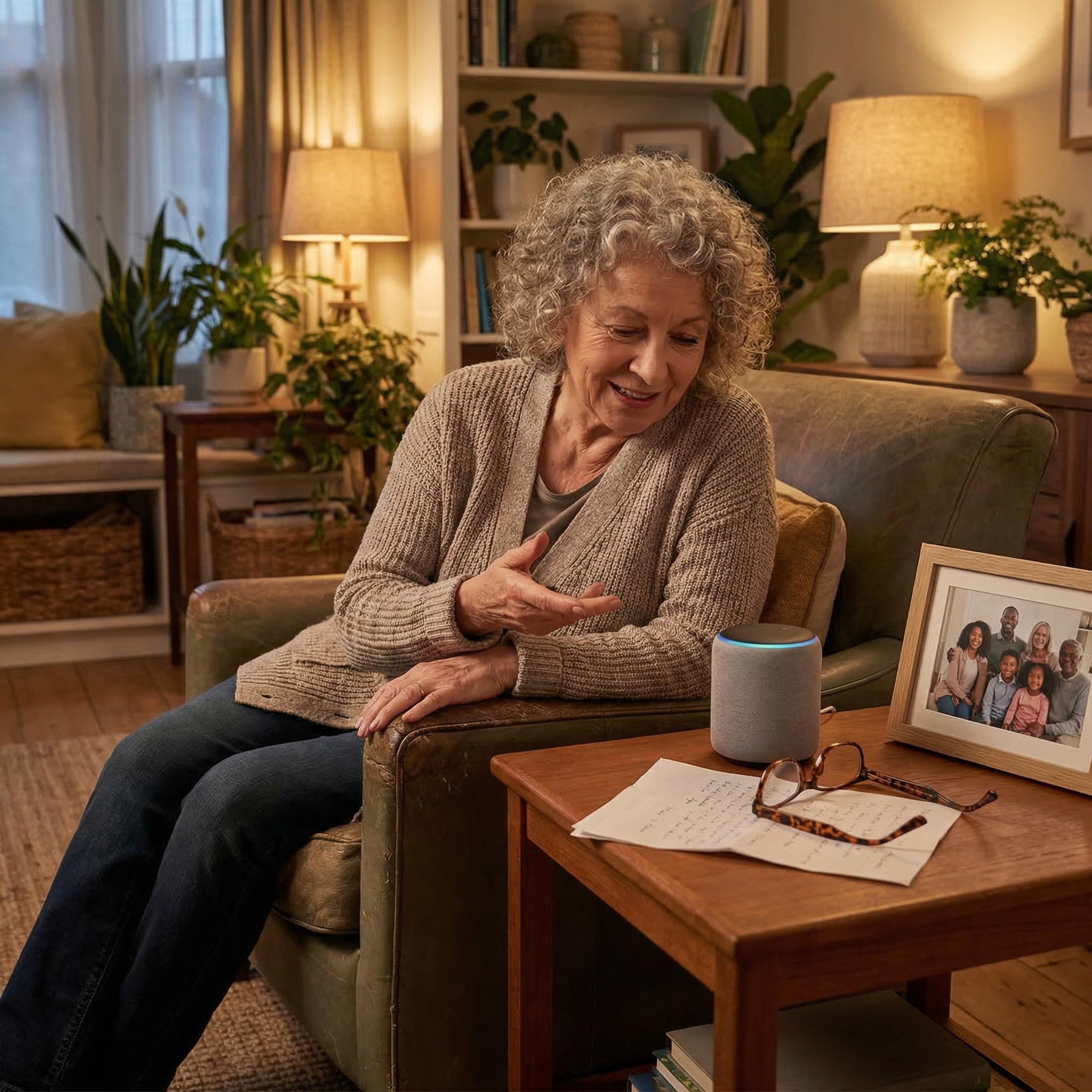
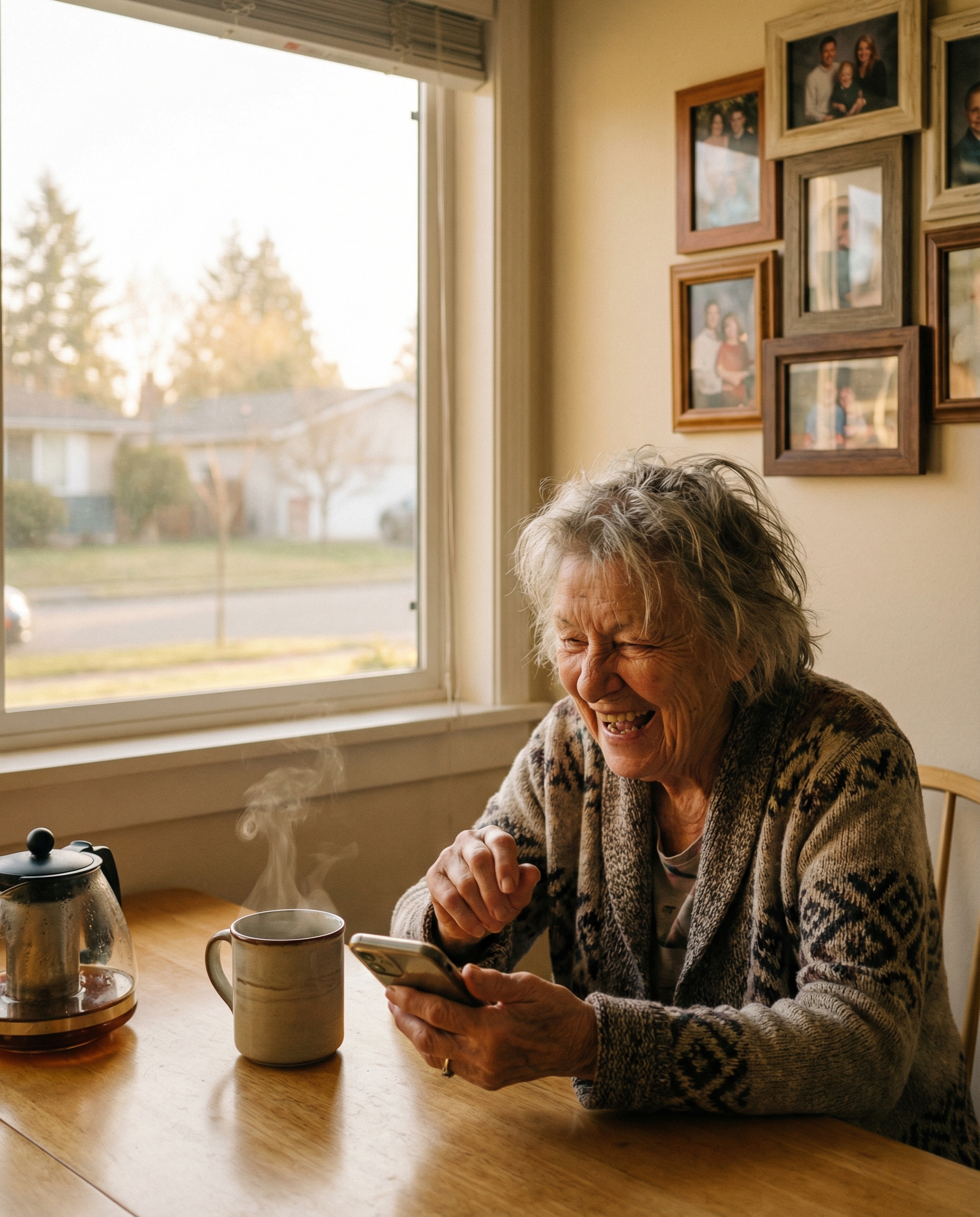
A 2024 study found that daily 30-minute conversations with voice assistants led to significant reductions in loneliness among older adults living alone.

A major analysis found that loneliness increased the risk for dementia by 31% - a magnitude similar to the impact of being physically inactive or smoking.