How Multilingual AI Conversation Can Support the Aging Brain
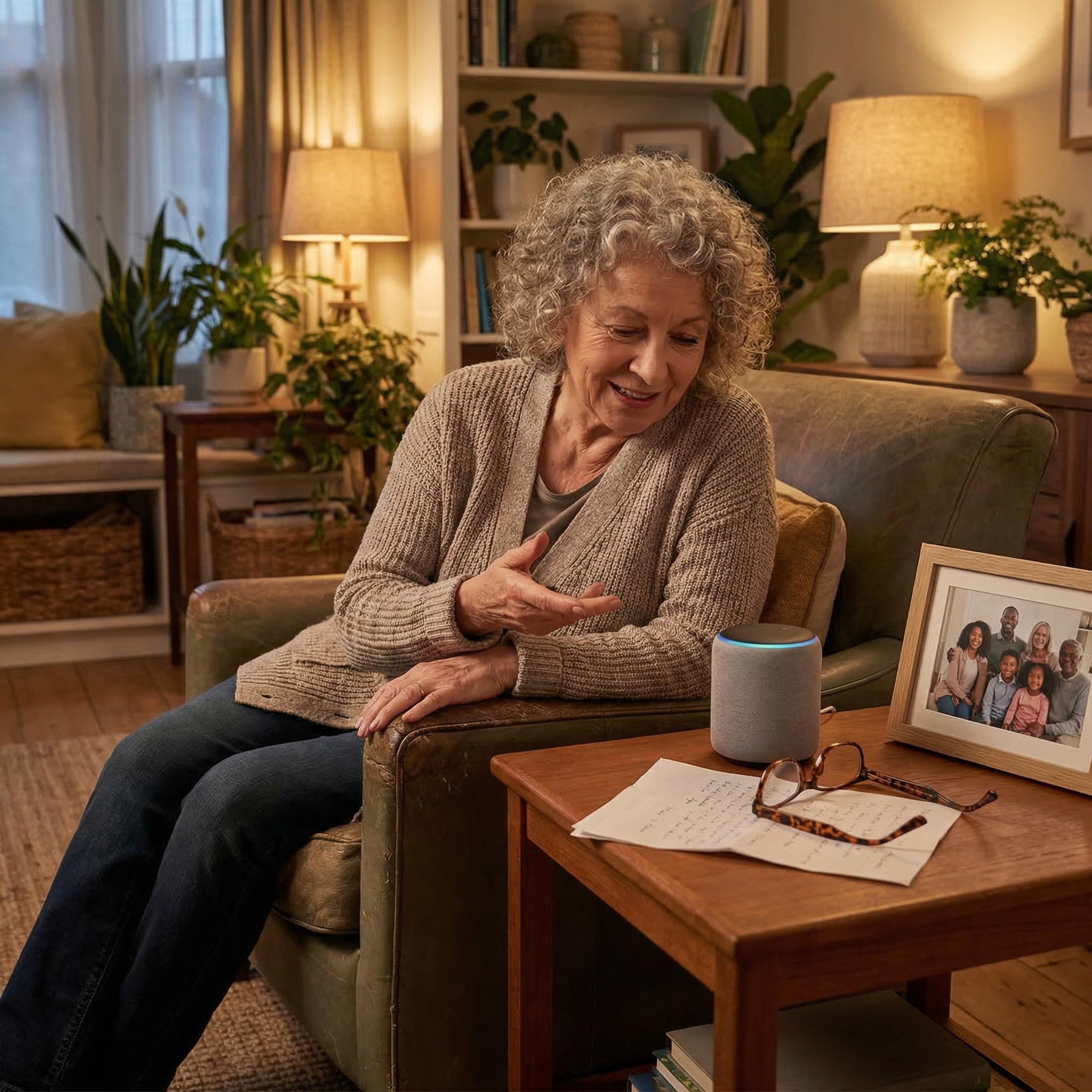
🧠 Most conversations about brain health in aging focus on puzzles or staying active. New research suggests something more human can help too: switching languages.
In a 2022 meta-analysis published in Frontiers in Aging Neuroscience, researchers reviewed 14 studies including 3,737 older adults. They found a small but meaningful cognitive advantage in bilingual seniors compared with monolingual seniors. One notable finding was that the effect appeared stronger in older adults with mild cognitive impairment than in those already cognitively healthy. The study also found that language proficiency and when a second language was learned can influence outcomes.
For families supporting aging parents, this is encouraging. Brain support does not have to mean complicated routines. It can look like calling a parent in the language they grew up with, watching a familiar show with subtitles, or practicing simple phrases together. These small moments combine cognitive stimulation with emotional connection, which is often what families are really trying to protect.
Voice AI can amplify this. When AI can speak in virtually any language and switch naturally between languages, older adults can keep practicing familiar words and daily conversation even when family members are busy. For bilingual families, that can mean more frequent mental engagement, less isolation, and more continuity between family culture and daily support.
💜 If caregiving already feels heavy, small and consistent touchpoints still count.
📌 Save this for later, share it with someone supporting an aging parent, and follow Eleanor for more practical, compassionate ideas for daily connection. 💬 What language does your parent speak at home?
Source: Olguin A, et al. "Cognitive advantage of bilingualism over monolingualism in older adults: A meta-analysis." Frontiers in Aging Neuroscience, 2022.