After Widowhood, Daily Independence Can Change Faster Than Families Expect
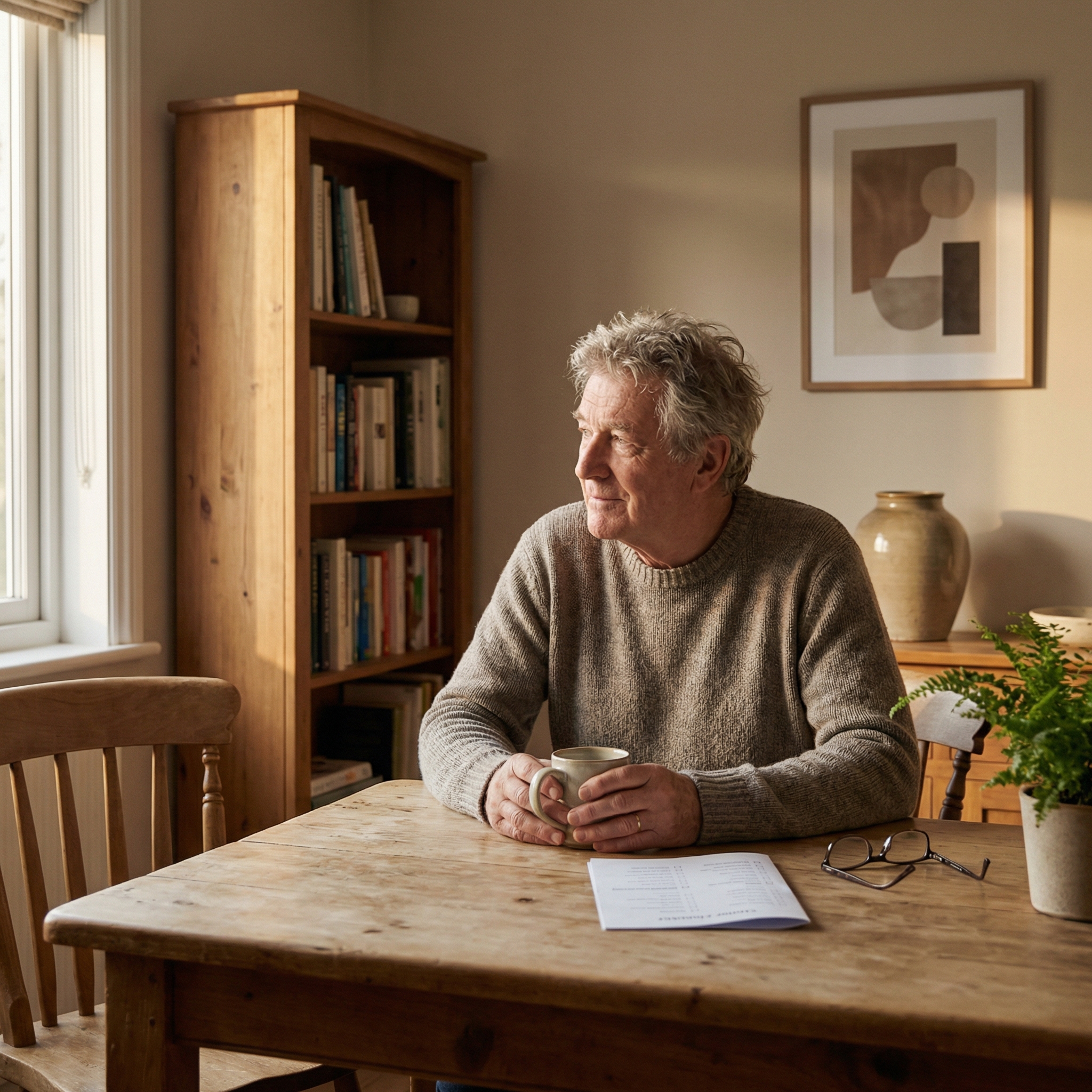
🧠 Most people expect grief to be the hardest part after losing a spouse. New research shows something else can shift quickly too: day-to-day independence.
A 2024 study in JAMA Network Open examined outcomes after widowhood in older adults, including people living with dementia, cancer, or organ failure. For older adults with dementia, widowhood was associated with an immediate decline in functional status of about 1 point on an 11-point independence scale. It was also associated with a higher one-year mortality risk (hazard ratio 1.14). Similar patterns were observed in older adults with cancer.
Behind those numbers is a practical reality many families face: after a spouse dies, the surviving partner may need more support with routine tasks sooner than expected. This can include medication routines, meals, appointments, and daily social connection, especially when memory concerns are already present.
For adult children balancing work, kids, and caregiving responsibilities, this is not about guilt. It is about timing. Planning support for the first weeks after loss can make a meaningful difference in stability, safety, and emotional well-being.
💜 If this season feels heavy, you are not alone.
📌 Save this for your family care planning conversations, share it with someone supporting an aging parent, and follow Eleanor for more research-backed guidance on connection and cognitive health. 💬
Source: Rodin R, et al. "Mortality and function after widowhood among older adults with dementia, cancer, or organ failure." JAMA Network Open, 2024.